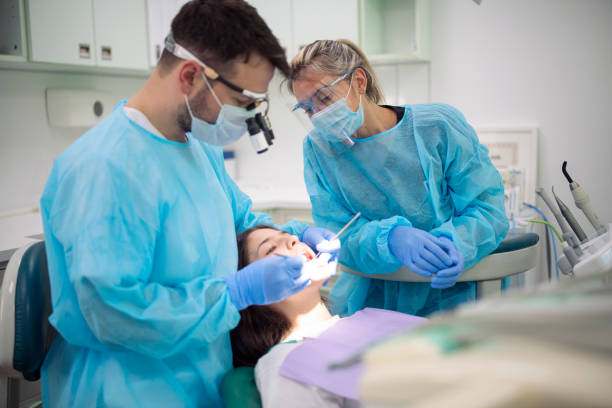
When you are informed that a root canal is necessary, it is quite common to be of an uncertain mind on what follows. Many people think of pain and long recovery periods; however, the fact is that the treatment is made to alleviate pain, not to cause it. Root canal therapy in White Rock is essentially a rescue operation for your dentist to keep your original tooth and make you feel good again.
Knowing the stages of the operation and the recovery can give a great deal of comfort and take away the stress from the situation.
What to Expect During a Root Canal: Step by Step
Many patients want clear, simple guidance. Here is what to expect during and after a root canal, explained step-by-step:
- Numbing the tooth: Your dentist numbs the tooth so you don’t feel pain.
- Cleaning the infection: A small opening is made to remove bacteria and damaged tissue.
- Shaping the inside: The canals are gently shaped to prepare for filling.
- Filling the tooth: A safe material fills the canals to prevent the infection from returning.
- Sealing the tooth: A temporary filling is placed until your final crown is ready.
Each step is done with care to keep you comfortable the entire time.
Does a Root Canal Hurt During or After the Procedure?
The simple answer is no; most patients feel only mild pressure. With modern tools and numbing, the treatment feels similar to getting a regular filling. After the appointment, you may feel gentle soreness, but it usually fades within a day or two.
This short discomfort is much easier than dealing with the pain of an infected tooth.
What to Expect During Root Canal Recovery Week by Week
Healing happens in small steps, so here is what to expect during each week of recovery from a root canal:
Week 1: Mild and Normal
- Light soreness
- Soft foods recommended
- Avoid chewing on the treated tooth
Week 2: Feeling Better
- Most people feel normal
- Pain usually gone
- Temporary filling still in place
Week 3 and Beyond: Final Restoration
- Your dentist places a permanent crown
- You can chew normally
- The tooth becomes strong and protected
Healing is steady and predictable when you follow your dentist’s instructions.
What a Dentist Wants You to Know
A dentist in White Rock often reminds patients that root canals are one of the best ways to save a tooth with deep decay or infection. Without treatment, the pain can worsen or the tooth may need to be removed. Saving your natural tooth helps you chew, smile, and speak comfortably.
A treated tooth, once restored with a crown, can last for many years.
Why Root Canals Are a Better Choice Than Extraction
A root is the strongest part of a tooth, which can be preserved during treatment. That is the reason why most dentists advise Root canal therapy in White Rock rather than the extraction of a tooth:
- The tooth that is infected is still functional, so your natural bite is maintained
- There is no space left in your smile
- It is not necessary to have a tooth replacement
- Lower cost of treatment over time
- Healing is quicker
On this account, root canal treatment is considered one of the most reliable ways to safeguard your dental health.
When to See a Dentist
A dentist near you can assist you if you see symptoms such as:
- Extreme toothache
- Inflammation of the gums
- An unpleasant sensation from a hot or cold
- Pain in eating
- Tooth discoloration
In most cases, these signs indicate that the pulp chamber of the tooth is infected and requires medical attention.
It is possible to stop the development of bigger problems if you get support early.
Ready to Save Your Smile?
It only takes one treatment to bring back a healthy and painless smile. Schedule an appointment with the RA Dental Clinic as soon as possible, and we will be more than happy to help you with a calm and easy root canal treatment.
FAQs
- How long does a root canal appointment take?
Most appointments take 60–90 minutes, depending on how many canals the tooth has.
- Can I drive home after a root canal?
Yes, you can usually drive home unless your dentist gives other instructions.
- Do I need a crown after a root canal?
Most back teeth need crowns to stay strong and protected after treatment.
- When can I eat normally again?
Once the numbness fades, you can eat soft foods. Normal chewing returns after the final crown.